
Lower Back Discomfort
An aching lower back can make sitting, bending, or getting out of a chair uncomfortable. Discussing when it starts helps your provider explore possible causes and next steps.
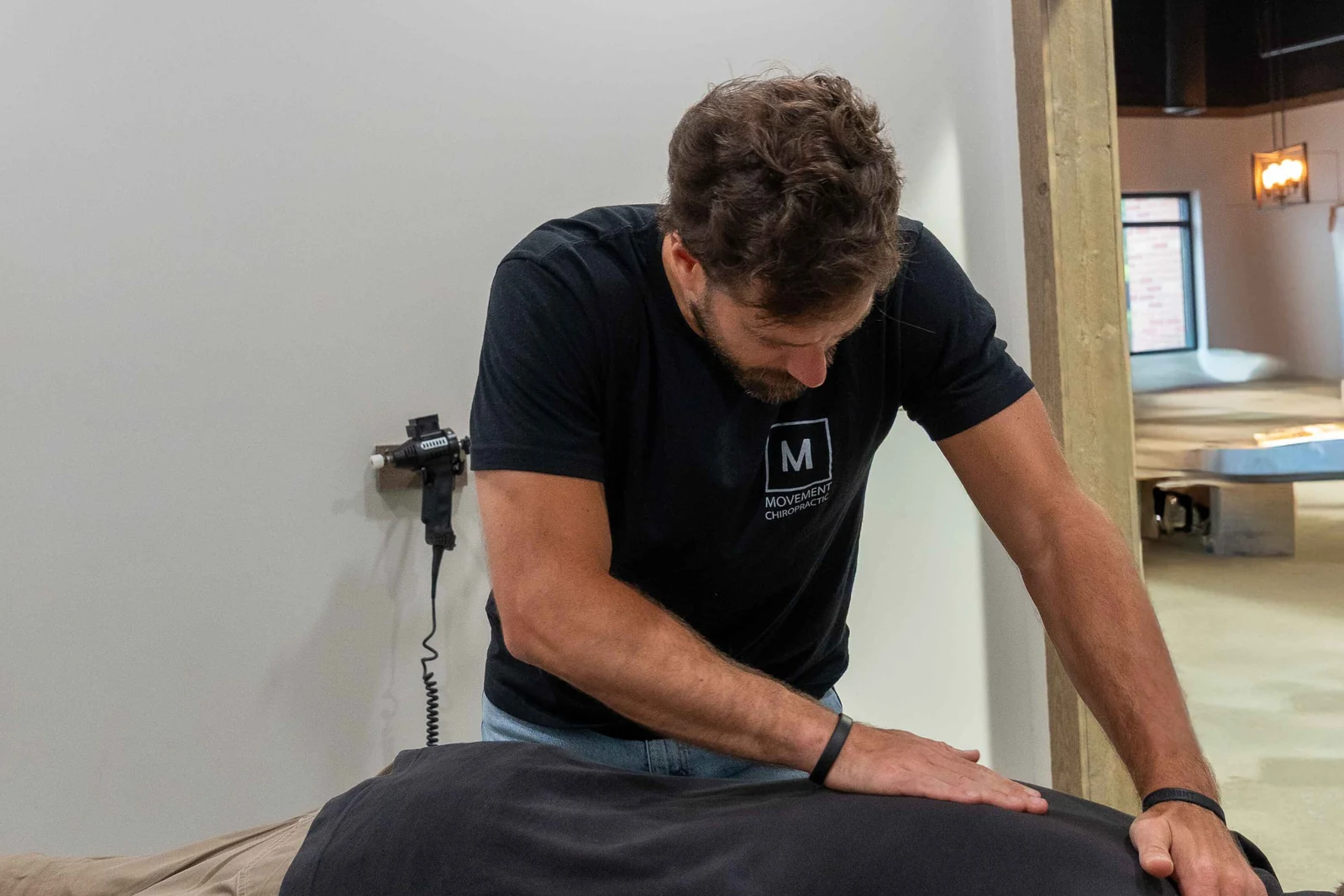
A personalized approach to understanding your spine, addressing your concerns, and helping you move forward with confidence.
Book an Appointment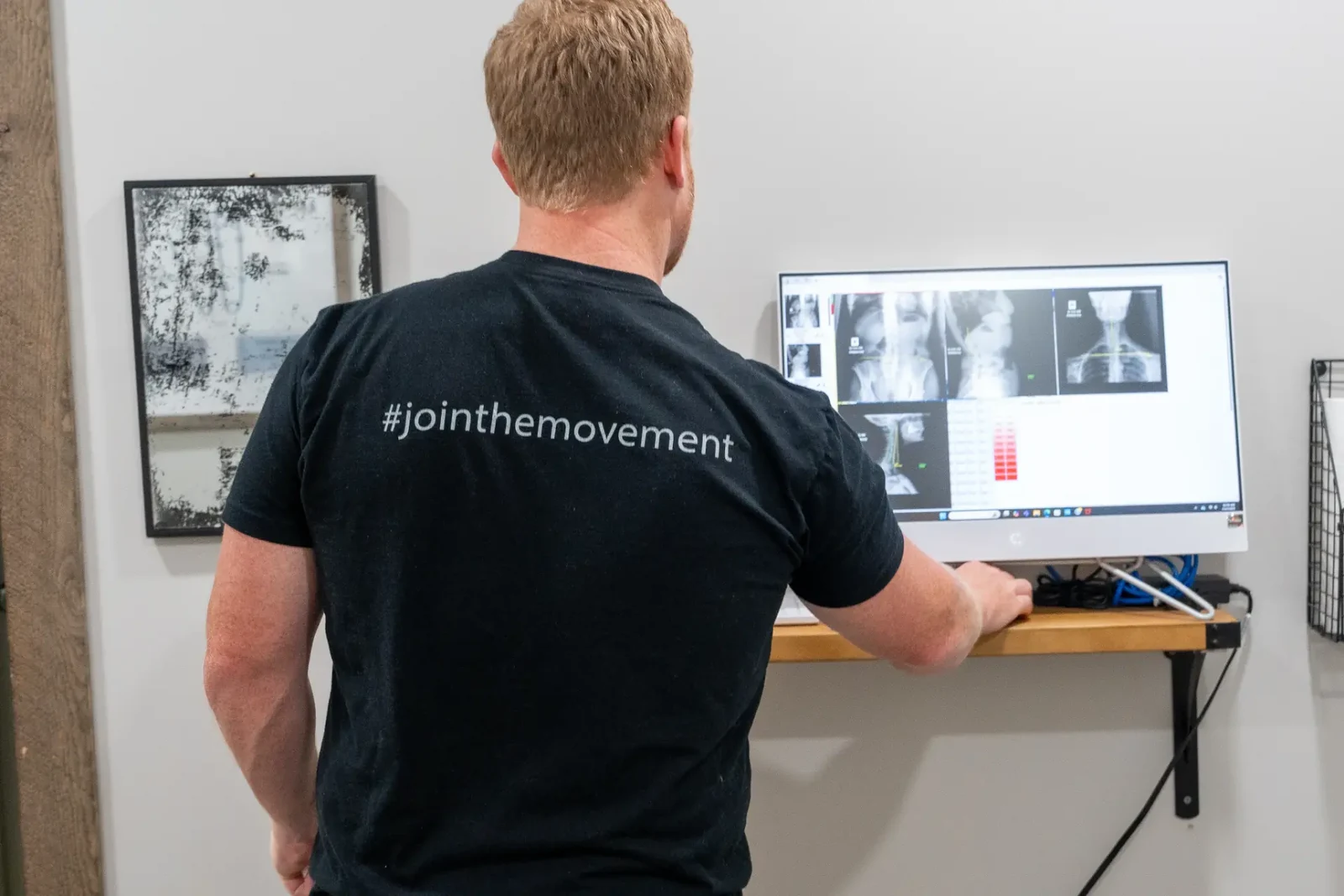 Understanding the bigger picture.
Back discomfort, neck discomfort, or changes in posture can be a reason to take a closer look. Corrective chiropractic care considers how your spine is aligned and how you move—not just where you feel discomfort.
At Movement, we use Chiropractic BioPhysics® (CBP®), an approach that combines posture and spinal assessment with individualized adjustments, exercises, and traction when appropriate. We explain what we find and what it may mean for your care.
When everyday movement feels different, it helps to understand why. These concerns can start a conversation about your spine, habits, and appropriate care options.
An aching lower back can make sitting, bending, or getting out of a chair uncomfortable. Discussing when it starts helps your provider explore possible causes and next steps.
A stiff neck may make checking your blind spot or looking down at a book difficult. An evaluation considers your movement, symptoms, and daily demands.
You might notice rounded shoulders or feel uncomfortable holding one position. Posture varies naturally; an assessment explores whether your habits and symptoms are connected.
Turning, reaching, or bending may feel more restricted than usual. Sharing which movements are difficult helps your chiropractor assess mobility and discuss appropriate recommendations.
Long stretches at a computer or repeated tasks can leave your back and neck feeling tired. Your workspace, movement breaks, and symptoms are worth reviewing together.
Muscles that repeatedly feel tight or sore may interfere with comfortable movement. An evaluation looks at activity patterns and other possible contributors rather than assuming one cause.
A conversation first. Thoughtful recommendations next. A plan that starts with you.
We listen to your concerns and health history, assess your posture and movement, and discuss any imaging needed to understand your spine.
Your doctor explains the findings and your options in everyday language. Together, you discuss what is appropriate for your needs and goals.
Your plan may include Mirror Image® adjustments, which work opposite a postural imbalance, Denneroll traction to gently support spinal curves, and specific exercises. We review your progress along the way.
Every person’s care is different. Here are a few things you might be wondering.

Tell us what’s on your mind. Our team is here to listen and help you explore care that fits your needs.