
Uneven Shoulders
One shoulder may appear higher than the other in a mirror or photograph. This observation alone does not diagnose scoliosis; a qualified healthcare professional can assess it.
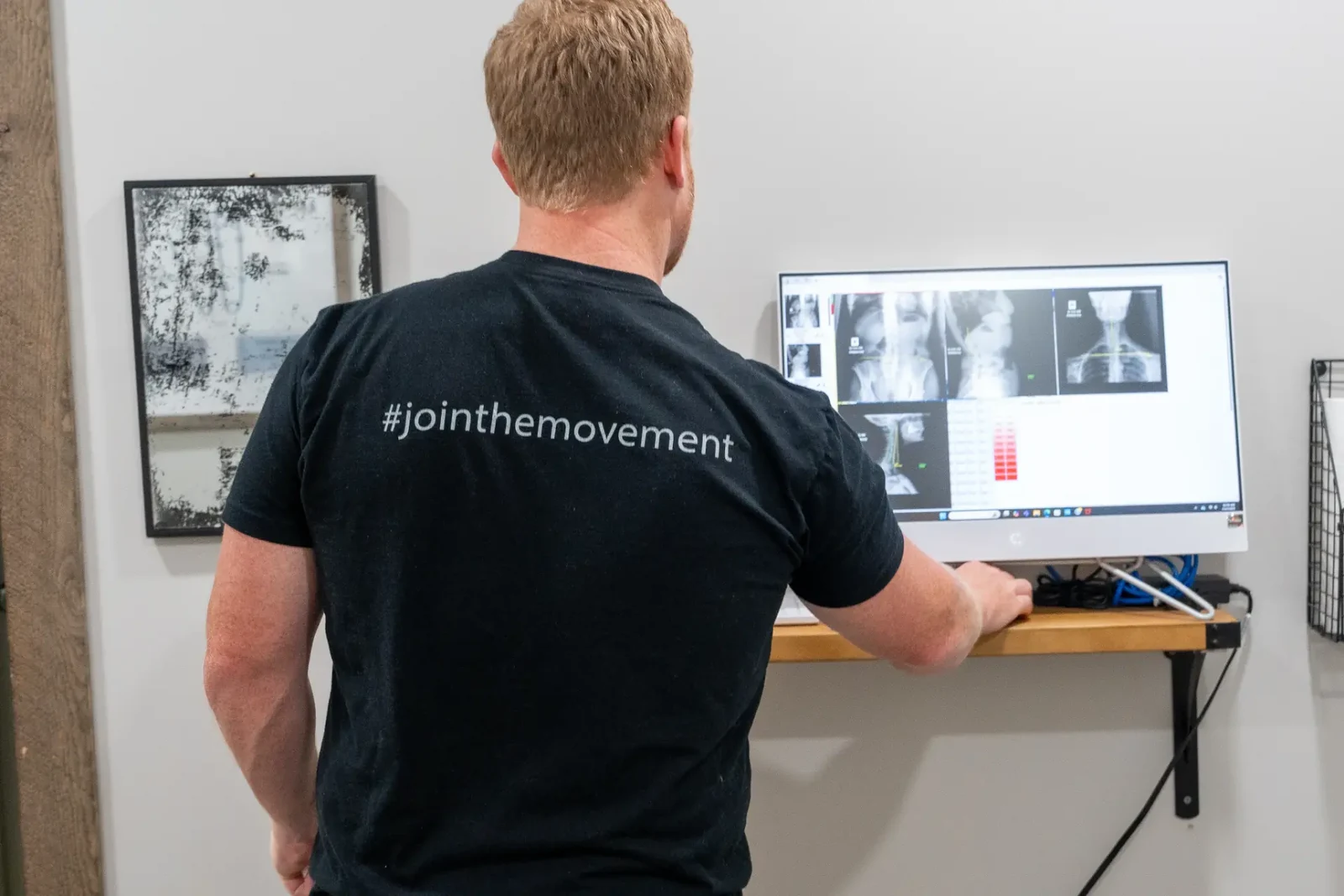
Every spine is different. Whether you or a family member has been diagnosed with scoliosis, our Peachtree City team offers thoughtful assessments, personalized attention, and guidance to help you better understand your musculoskeletal care options.
Book an Appointment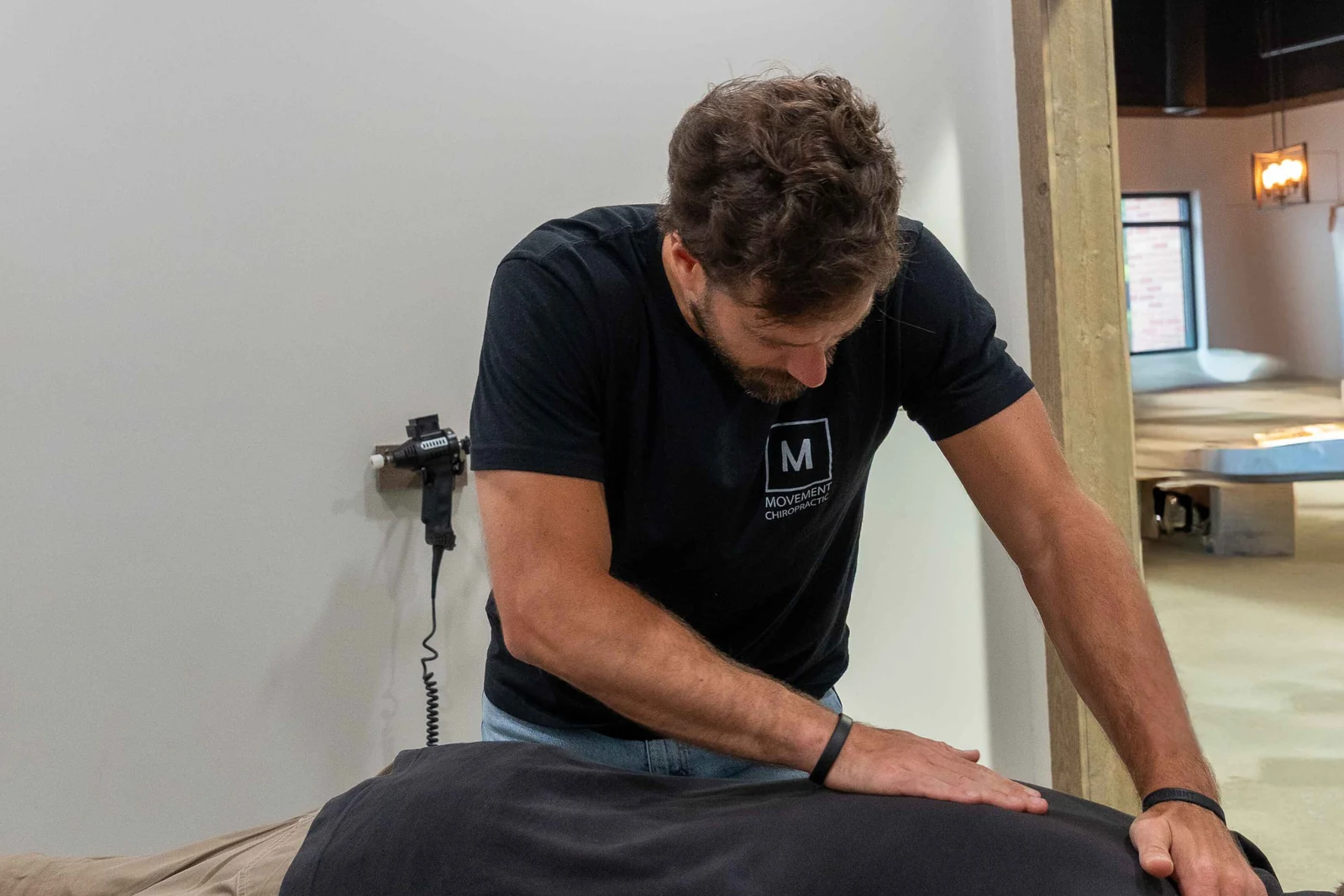 See the whole picture.
Scoliosis is a sideways, often rotational curve of the spine. It may be noticed during a childhood or teen screening, a routine checkup, or later in adulthood.
Because every curve is different, individual assessment and appropriate monitoring matter. We consider your spinal movement, posture, symptoms, and health history, and our approach draws on Chiropractic BioPhysics (CBP), as with our Corrective Chiropractic Care.
Diagnosis, curve monitoring, and decisions about bracing or surgery may require evaluation by an appropriate medical specialist. Chiropractic care does not replace that care.
These observations and questions can be worth discussing without assuming every difference is scoliosis. Chiropractic care cannot reliably straighten curves or prevent progression, and does not replace specialist monitoring or established medical treatment.
One shoulder may appear higher than the other in a mirror or photograph. This observation alone does not diagnose scoliosis; a qualified healthcare professional can assess it.
An uneven waistline or a more prominent side of the back may raise questions. Assessment helps distinguish ordinary variation from changes that need further medical evaluation.
Some people with scoliosis report back aching during prolonged sitting or activity, while others have no pain. Symptoms deserve individual assessment rather than being attributed automatically to curvature.
You might feel tighter muscles on one side of your back. Discussing the location, timing, and activities involved helps your provider evaluate possible contributors to discomfort.
Bending or turning may feel less comfortable or more limited than before. Your provider can assess movement and consider whether the change needs additional evaluation.
Families often ask about growth, monitoring, and staying active with scoliosis. Curve assessment and decisions about bracing or other medical treatment belong with an appropriate specialist.
No two care plans look the same. Recommendations depend on your assessment, your history, and your goals.
We’ll discuss your health history, concerns, previous scoliosis evaluations, and individual goals.
Your chiropractor may assess posture, spinal movement, and related musculoskeletal concerns, review available imaging or reports, and discuss whether specialist evaluation or monitoring is needed.
If chiropractic care is appropriate, we explain individualized recommendations, which may include adjustments or supportive strategies, and coordinate with other healthcare professionals when needed.
Looking for something else? Explore all of our services.

Have questions about scoliosis or your spinal health? Our friendly Peachtree City team is here to listen, discuss your concerns, and help you understand your options.