
Jaw Pain & Tenderness
Soreness near your jaw joint or tenderness along your cheeks can make talking or yawning uncomfortable. A dental or medical evaluation can help identify the cause.
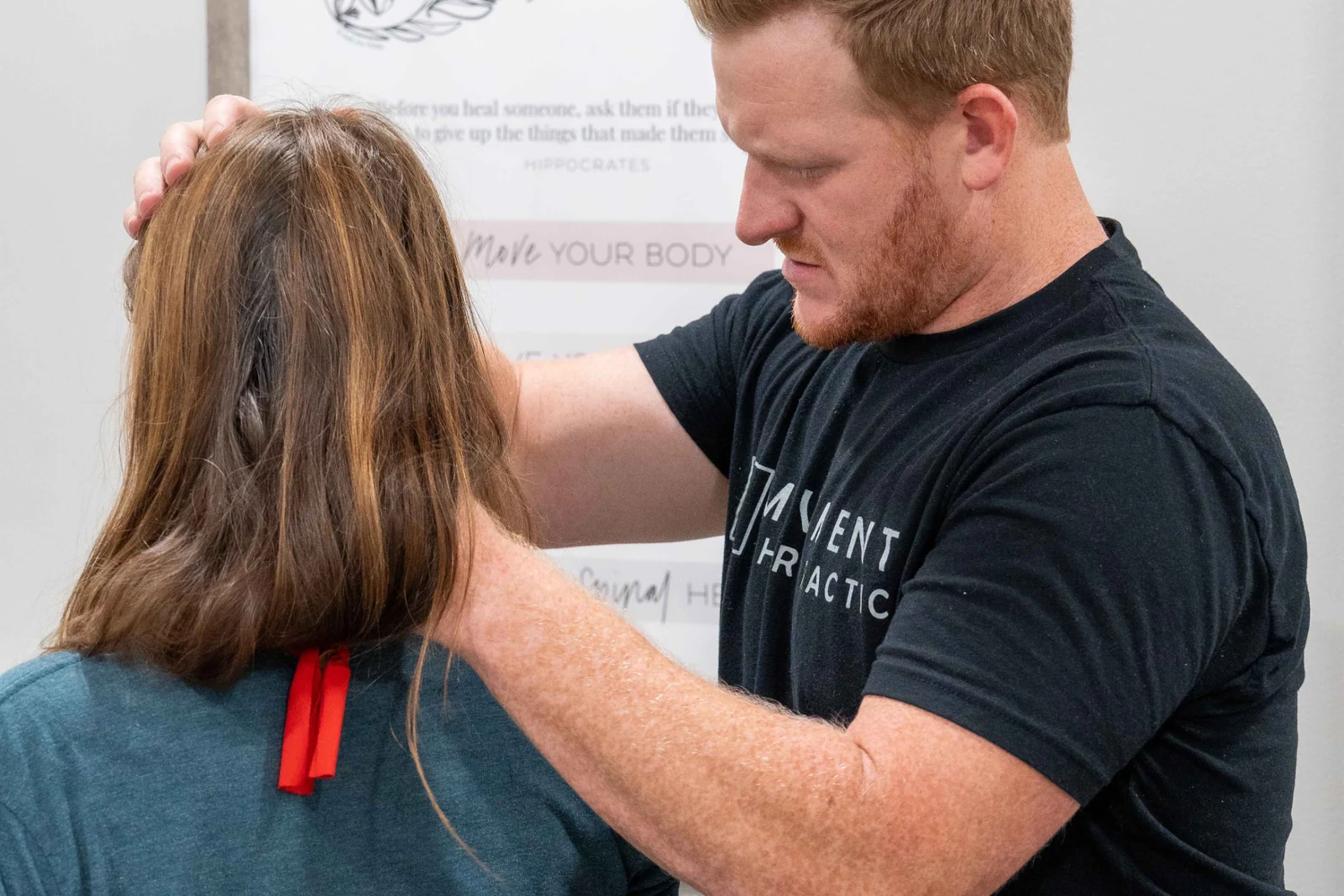
Jaw discomfort can make everyday things like eating, talking, and even yawning frustrating. Our Peachtree City team takes a personalized approach to understanding your concerns and helping you explore appropriate care options.
Book an Appointment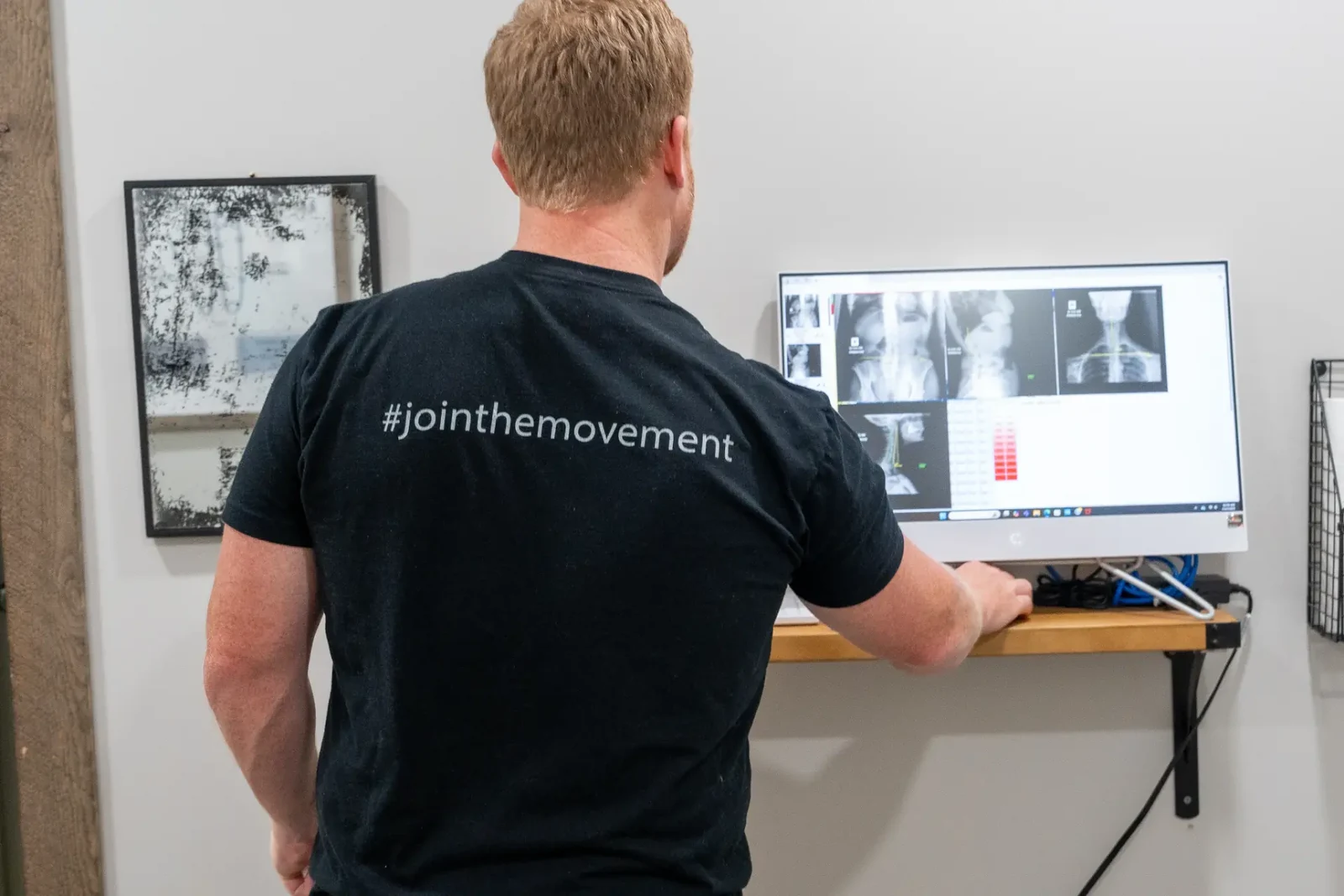 Every concern is personal.
Your temporomandibular joints (TMJ) connect your lower jaw to your skull and help with everyday things like chewing and speaking. TMJ disorders (TMD) can involve pain or problems in these joints and the muscles around them.
Not all clicking means there’s a problem, and these symptoms can have different causes. We can assess related musculoskeletal concerns, including your neck and posture, and talk with you about whether chiropractic care may play a supportive role. Many patients also explore our Corrective Chiropractic Care.
Depending on your symptoms, an evaluation by a dentist or other appropriate specialist may be needed. Chiropractic care does not replace that care.
Jaw symptoms can have different causes. Clicking without pain is not necessarily a disorder; persistent pain, locking, or restricted opening may need dental or specialist evaluation. Chiropractic care is not a reliable cure for TMJ disorders.
Soreness near your jaw joint or tenderness along your cheeks can make talking or yawning uncomfortable. A dental or medical evaluation can help identify the cause.
Chewing may bring an ache or fatigue around your jaw. Because dental problems and joint or muscle concerns can overlap, persistent discomfort deserves professional assessment.
A click alone is often harmless, but clicking with pain or difficulty moving your jaw is worth discussing. A dentist can assess whether further evaluation is needed.
Your jaw muscles may feel tired or tight, especially when you wake up. Mention clenching or grinding to your dentist rather than assuming the cause.
Trouble opening your mouth or a jaw that catches or locks can interfere with eating. Seek dental or specialist evaluation rather than forcing the movement.
Neck tightness may occur alongside jaw discomfort, but the relationship varies. Assessment can explore both concerns and whether dental, medical, or musculoskeletal care is appropriate.
We listen first, then explain what we find in clear, everyday language.
We’ll discuss your symptoms, health history, daily activities, and what you’ve been experiencing.
Your chiropractor may evaluate relevant jaw, neck, and surrounding musculoskeletal concerns and determine whether additional dental or medical assessment is appropriate.
When suitable, your chiropractor will explain individualized care recommendations, which may include conservative musculoskeletal strategies or coordination with another healthcare professional.
Looking for something else? Explore all of our services.

Dealing with jaw discomfort or have questions about your options? Our friendly Peachtree City team is here to listen and help you understand the next step.